Moisturise & Protect
Showing all 3 results
-
The Standard
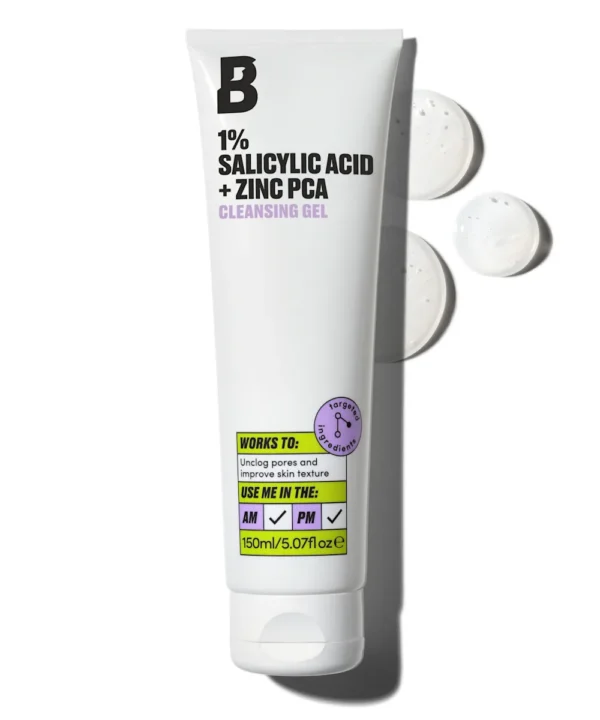
Barrier Repair Gel-Cream
4 reviewsOriginal price was: £32.00.£25.00Current price is: £25.00.50mlAM & PMRepairing, SoothingAdd to cart -
The Standard
Hydrating Squalane Day Cream
4 reviewsOriginal price was: £38.00.£30.00Current price is: £30.00.50mlAM & PMHydrating, Plumping, VeganAdd to cart -
The Standard
Brands in this collection
The moisturise and protect step, explained
Moisturising and protecting is where you lock everything in and defend the skin barrier. A moisturiser helps hold water in the skin and smooth the surface; every skin type generally benefits, including oily skin, which often does well with a lighter, non-comedogenic formula. Apply it after your serums and treatments, near the end of your routine. In the morning, the final and arguably most important step is a broad-spectrum SPF of at least 30, which guards against UV-related ageing and damage. At night, when SPF isn’t needed, a richer moisturiser or an occlusive facial oil can help seal in hydration while you sleep.
Category questions
Do I still need a moisturiser if my skin is oily?
Usually yes. Skipping moisturiser can leave skin dehydrated, sometimes prompting it to produce more oil. The trick is texture: lightweight, non-comedogenic gels or lotions hydrate without feeling heavy. Moisturising also helps support the barrier, so the rest of your routine, including SPF, sits more comfortably.
What comes last — moisturiser, sunscreen or facial oil?
It depends on the time of day. In the morning, sunscreen is the final skincare step, applied over your moisturiser. In the evening, when SPF isn’t needed, a facial oil can go last, as its occlusive texture helps seal in the moisturiser beneath it.
Can one product moisturise and protect at once?
Some do — many daily moisturisers include a broad-spectrum SPF, which is convenient. Just check it is at least SPF 30 and apply enough, as combined products can tempt you to use too little for full protection. For heavy sun exposure, a dedicated sunscreen is still the safer choice.
The Beautyforest Standard
Clean and naturally derived. Science-backed, proven to work. Every product in this collection is checked before it reaches the shelf.
How we vet